
What is your approach to teaching?
Our goal is to help students become confident, independent musicians while developing a strong foundation in music. Lessons include note reading, rhythm, music theory, technique, and repertoire and are tailored to each student’s individual learning needs, interests, and goals.
Our teachers use a variety of methods and materials rather than following one specific program for every student. As students progress, they develop the skills to understand and learn music more independently.
What age can children begin piano lessons?
Most children are ready to begin private piano lessons around age five, although readiness varies from child to child.
Young beginners benefit from being able to follow simple directions, focus on an activity for a short period of time, and practice at home with the help of a parent.
What do piano students learn?
Piano lessons include much more than learning individual songs. Students develop skills in note reading, rhythm, music theory, technique, ear training, and musical expression.
Students are introduced to music in a variety of styles, and repertoire and materials are selected according to each student’s age, level, interests, and learning needs.
What kind of piano or keyboard do we need at home?
Students need an instrument at home so they can practice between lessons. An acoustic piano is ideal, but a digital piano or keyboard may also be appropriate for beginning students.
If purchasing a digital instrument, we recommend choosing one with full-size weighted keys and a sustain pedal. As students advance, having a quality instrument becomes increasingly important.
If you’re unsure whether the instrument you already own is appropriate, feel free to ask us before purchasing something new.
How much should students practice?
There isn’t one practice schedule that works for every student. The amount of practice will vary depending on the student’s age, level, repertoire, and goals.
For young students especially, consistent practice is more important than simply counting minutes. Short, focused practice sessions throughout the week are often much more productive than one long practice session right before the lesson.
Teachers give students specific assignments and practice goals each week so they know what to work on at home.
What is the parent’s role in piano practice?
Parents play an important role in helping young students establish a consistent practice routine. Beginning students may need help remembering to practice, understanding their assignment, and staying focused.
As students grow and develop stronger practice skills, parents can gradually step back and allow them to take more responsibility for their own work. Our goal is for students to become increasingly independent musicians.
Do students have opportunities to perform?
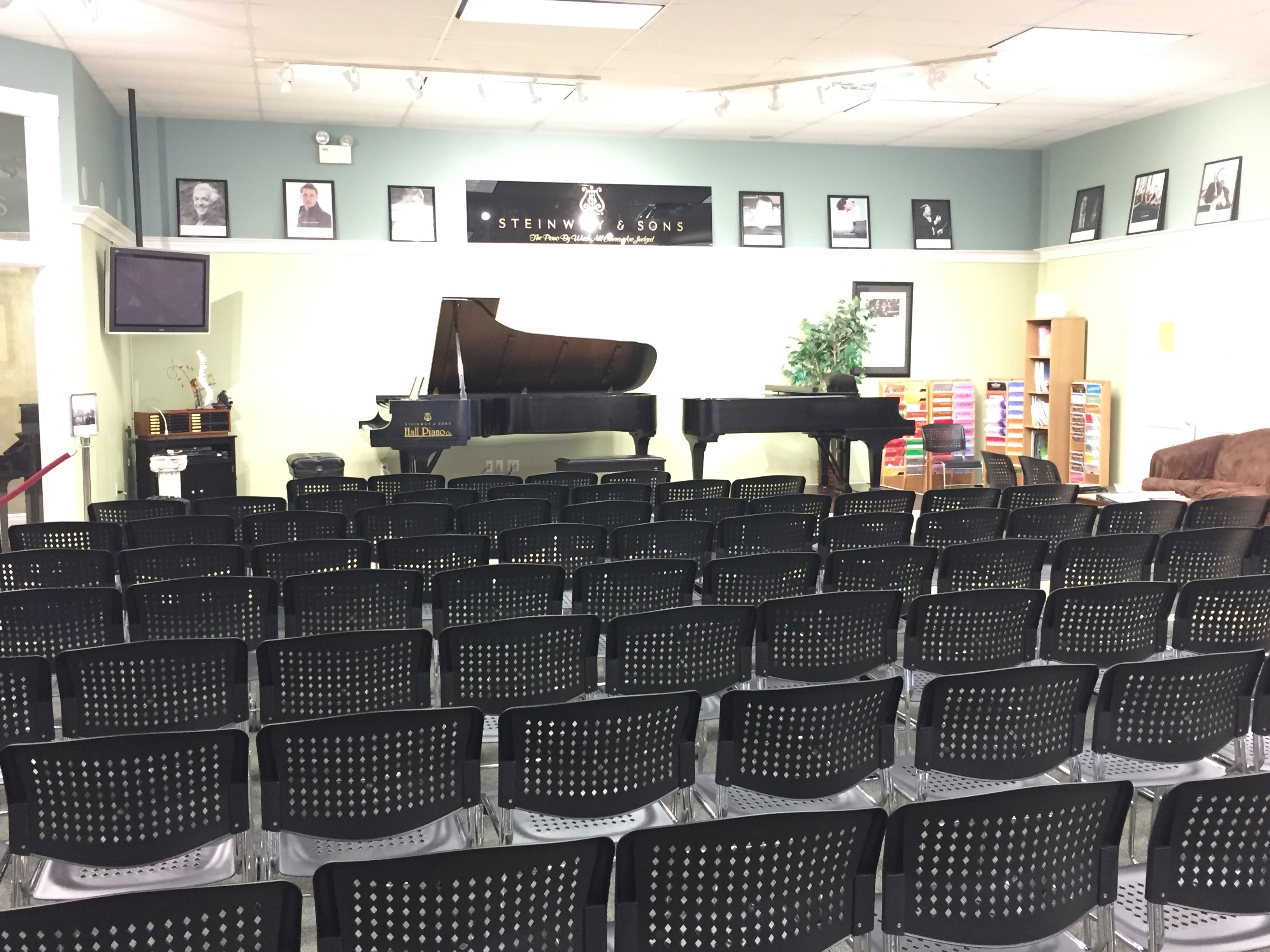
Yes! Students have opportunities throughout the year to participate in recitals and other musical events.
Performing gives students something to work toward and provides an opportunity to build confidence and celebrate their progress. Participation in performances is encouraged but always optional.
What music and materials will my child need?
Each teacher selects books, music, and other materials according to the student’s age, level, learning needs, and interests.
Because every student is different, we don’t use exactly the same materials with everyone. Our tuition includes a book and materials fee. We will take care of getting the materials your child needs.
Who are the instructors?
Piano With Lauren has a team of experienced instructors with backgrounds in music performance, education, and private teaching.
How do I get started?
If you’re interested in lessons, we’d love to hear from you! Contact Lauren to ask about current availability and schedule a time to discuss lessons.