One of the most important concepts in studying music is knowing music note names on the staff. Music note naming for kids can have several different approaches. Usually, doing a combination of these approaches can help secure note names for young students.
When playing music, most students learn how to read the direction and distance between two notes. Students playing music may not necessarily be thinking letter names as they play. That is ideal! However, we still want students to know the letter names on the staff. It helps create fluency in music theory and playing.
Below are six different methods to teach music note naming for kids.
This post may contain affiliate links. As a Sheet Music Plus and Amazon Associate, I earn from qualifying purchases. That means I make a small commission (at no additional cost to you) if you purchase something from an affiliate link.
#1 – Learn Treble and Bass Clef Notes Separately
Learning treble clef and bass clef notes separately is the most common way that students learn music note naming. In this approach, students may use a landmark note (such as middle C or treble clef G) as their guide. They may also use mnemonics to memorize the letter names of space notes or lines notes. One common saying is “Every Good Boy Deserves Fudge” to remember that the treble clef lines notes are E-G-B-D-F.
This can work for some students. However, sometimes it’s confusing to remember which saying belongs to treble or bass clef. Therefore, using landmarks as a guide is a very secure way to memorize the letter names.
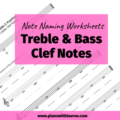
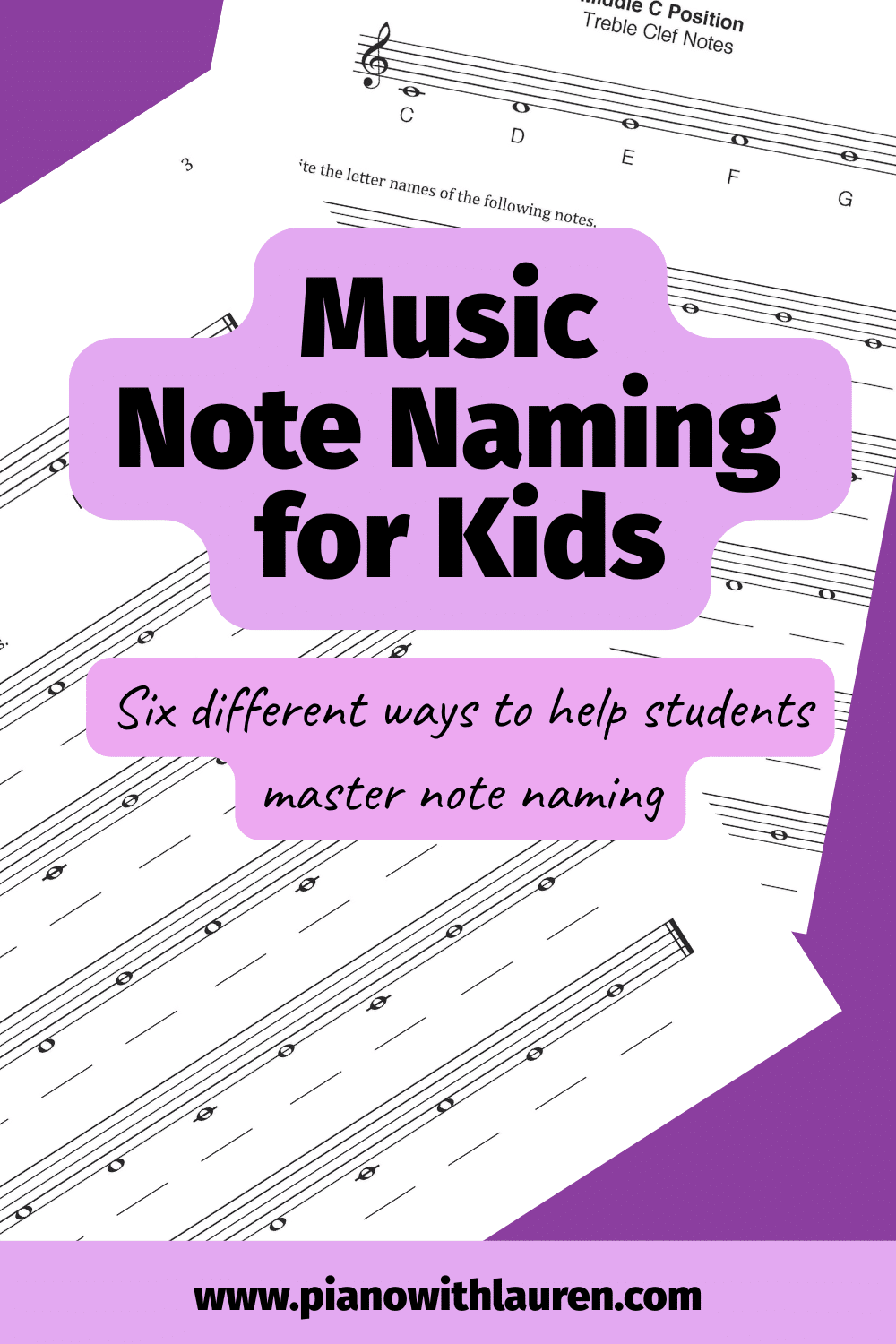
For my own students, I created a worksheet packet for this approach. Students learn the landmark notes first. Then they drill notes in middle C position and C positions. Doing these two sections first coordinates with the Piano Adventures Primer Level Method Book. Finally, students drill treble and bass clef notes separately.
➡️ Download the Note Naming Worksheets
#2 Learn Note Names on the Grand Staff
Another approach to learning note naming is where students learn the note names on the Grand Staff first. Students master space notes going up the entire grand staff. Then they learn line notes separately going up the staff. This is the approach that the Piano Safari method uses in Book 2. The benefit to this method is that students become confident in both bass and treble clef notes.
➡️ This grand staff worksheet packet can help students master music note naming on the Grand Staff.
#3 Use Flashcards
Flashcards allow students to drill music note naming. Students can start with just a few flashcards and then little by little, add more. Using flashcards will help students gain security with music note naming.
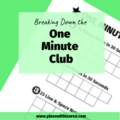
While using music note naming flashcards, you can also work on speed. A classic in music note naming is the “One-Minute Club.” You can read more about the “One-Minute Club” in this post.
My favorite flashcards are by Jane Bastien. Another good option are the Hal Leonard flashcards. Both of these options for flashcards show note naming on the Grand Staff.
#4 Practice Drawing Notes
Using a staff marker board in your music lessons is a great way to add a “hands on” activity for your students. Students love to draw on a marker board. You can draw note names for your student to name out loud. Or you can also have the student practice drawing note names. I enjoy drawing 5-7 note names in a row and asking my students to name them as fast as they can. Kids get a kick out of naming it quickly! You can also draw note names and have the student play it on their instrument.
These staff marker boards have been a great addition to my studio.
If you want more ways to use the staff marker boards in your studio, be sure to check out this post.
#5 Use Games
Using games is another method you can use to reinforce music note naming for students. A game such as fortune tellers is a great way to sneak in repetition and add some fun. Students love fortune tellers, because it adds the elements of choice and surprise to the game. Students absolutely love these quick little games.
My students also enjoy the game Wacky Wanda. In this game, the music notes spell a word. Students love puzzles and this is a perfect activity to add to the last few minutes of a lesson.
#6 Reinforce Music Note Naming with a Theory Workbook
A good theory book will reinforce music note naming from the beginning. In the Prep A piano workbook, students master note names on the treble and bass clefs separately. This is a foundational skill for moving onto different levels of any music theory workbook series. For example, students will draw scales and chords on the staff with more ease as they know the note names on the staff.
Bonus – Keep a Cheat Sheet Nearby for Music Note Naming
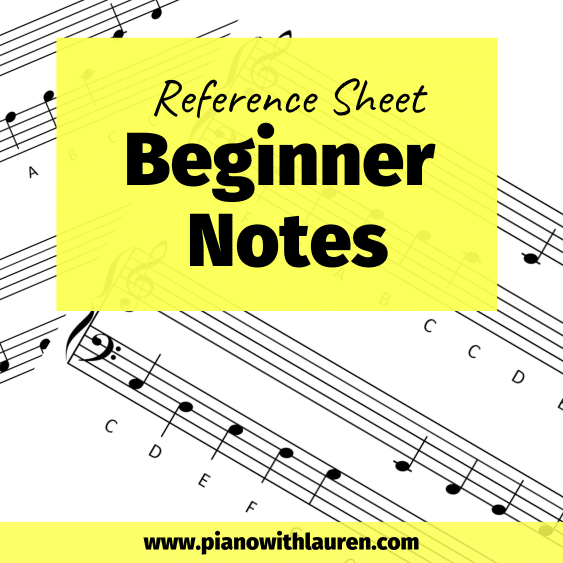
Keeping a cheat sheet nearby for beginning students will help reinforce music note naming. Beginning students usually have to name the first note in each hand to start a piece. Glancing over to a reference sheet will help reinforce note names. If practicing independently, students may need a guide nearby for the first few months of lessons. In time (and while using different methods above), students will master music note naming!
Here is a free download for the music note naming guide: Piano Beginner Notes Reference Sheet
There’s no perfect or one way to teach music note naming for kids. Be sure to try a few different ways to help students master this topic in music learning!

Lauren teaches piano to students of all ages. She enjoys creating resources for her students and teachers. She is the author of Ready for Theory®. For personalized help, check out the consultations page for teachers.