This post may contain affiliate links. As a Sheet Music Plus and Amazon Associate, I earn from qualifying purchases. That means I make a small commission (at no additional cost to you) if you purchase something from an affiliate link.
As beginning piano students become more comfortable reading notes, intervals, and rhythms, they’re ready to discover another important building block of music: major five-finger scales and chords.
Learning five-finger scales helps students become familiar with different hand positions, while major chords introduce the harmony they’ll encounter throughout their piano studies.
For students ages 6–8, the goal isn’t understanding complicated music theory. Instead, focus on helping students recognize simple patterns on the keyboard while building confident technique.
Here’s what every beginner should learn.
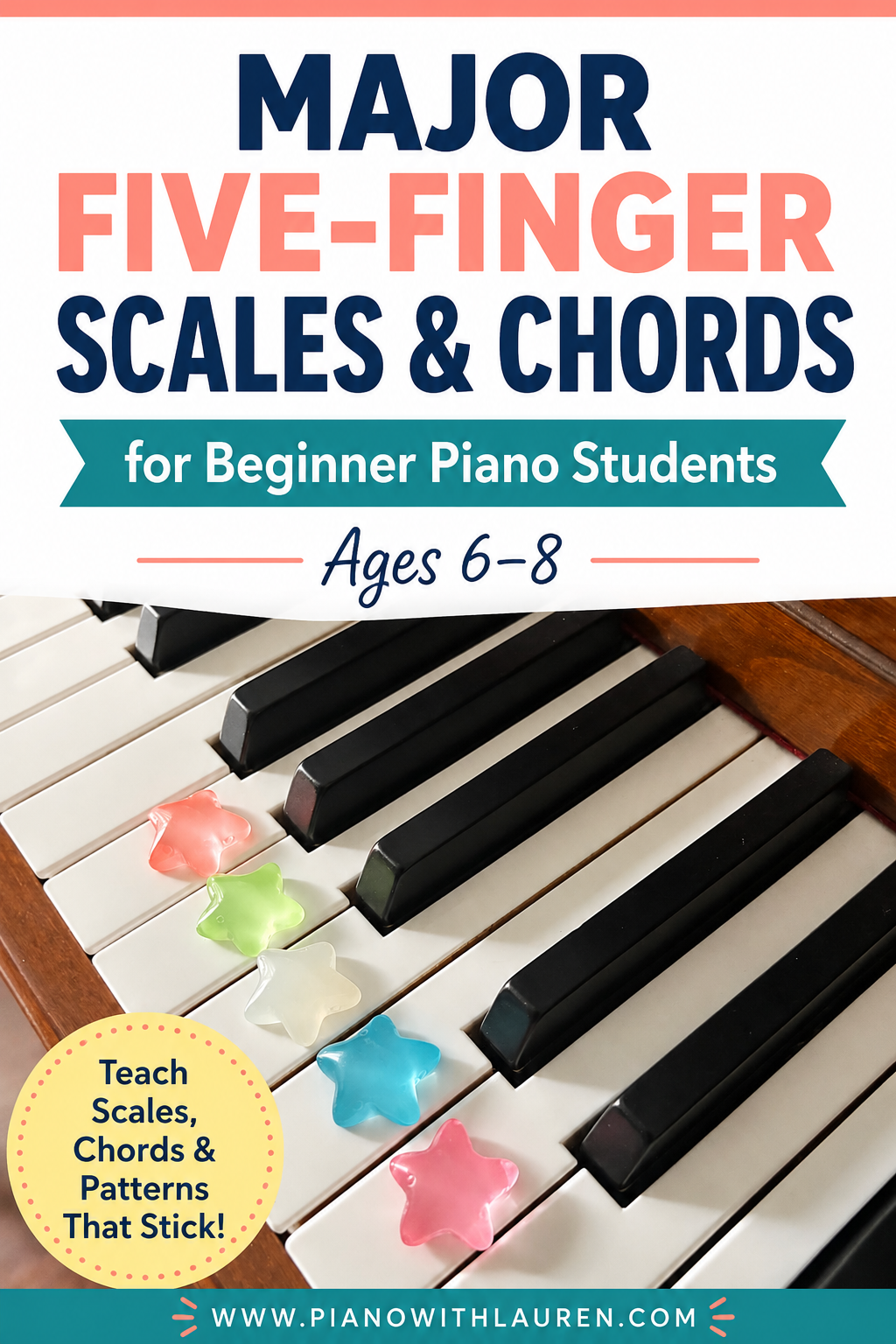
What Is a Five-Finger Scale?
A five-finger scale uses the first five notes of a major scale.
Students keep one finger on each key without moving their hand.
For example, the C Major five-finger scale includes:
C – D – E – F – G
Because the hand stays in one position, five-finger scales are much easier for beginners than full octave scales.
Practicing these patterns helps students:
- develop good hand position
- strengthen each finger
- become familiar with different keys
- recognize tonal patterns
Which Five-Finger Scales Should Beginners Learn?
Most beginning students start with:
- C Major
- G Major
- F Major
- D Major
Depending on the method book you use, students may gradually learn additional five-finger scales as they progress.
Rather than introducing many scales at once, allow students to become comfortable with one pattern before adding another.
⭐️ For my own students, I teach the major five-finger scales in four different groups (similar to the approach used in the Bastien method books). For example, Group 1 includes C, G, and F Major. I call these the “Snowmen” because C and G five-finger scales are played entirely on white keys. F Major is the “special” scale in the group because it includes one black key.
Grouping scales this way helps students recognize patterns instead of trying to memorize every scale individually. If you’d like to use this approach with your own students, take a look at my Multi-Key Worksheets, which reinforce scales and chords through these scale groups.
Introducing Major Chords
Once students know a five-finger scale, they’re ready to discover the major chord built from that position.
A major chord uses:
- the first note
- the third note
- the fifth note
For example:
C Major
C – E – G
Students don’t need to memorize chord formulas at this stage. Instead, help them notice that chords are created by skipping notes within the scale.
⭐️ Keep in mind that playing all three notes of a chord at the same time can be challenging for beginner students. If a student struggles, have them play fingers 1 and 5 together first. Next, add finger 3 by itself before trying all three notes together again. Developing the coordination to play a three-note chord takes time, so be patient and celebrate small improvements along the way.
Connecting Scales and Chords
One of my favorite ways to introduce harmony is by connecting the scale to its matching chord.
For example:
Play the five-finger scale slowly.
Then play the major chord.
Students quickly begin hearing how the notes of the chord come directly from the scale.
This simple activity helps students connect technique, ear training, and music theory all at once.
Practice Ideas
Play Every Day
Five-finger scales only take a minute or two to practice.
To keep scale practice interesting, encourage students to focus on one new musical goal each time they play. For example, they might play loudly, softly, legato, staccato, or with firm fingertips.
Find Scales in Music
Many beginner pieces are written in five-finger positions.
Before students begin playing, ask questions such as:
- Which five-finger scale does this piece use?
- Where is the hand position?
- Which major chord matches this scale?
Students begin recognizing these patterns naturally as they read music.
See It in Different Ways
Students learn scales and chords more thoroughly when they experience them in a variety of ways instead of simply playing them at the piano.
In lessons, try to add opportunities for students to:
- play the five-finger scale and matching chord
- complete a written theory activity
- identify scales and chords in their method book
- use flashcards or games for review
- draw scales or chord patterns on a marker board
Experiencing the same concept in different ways helps students make stronger connections and leads to better long-term understanding.
🎲 Fun Activities for Learning Scales and Chords
Scales and chords don’t have to become repetitive drills. Adding a few hands-on activities throughout the lesson helps students stay engaged while reinforcing important patterns on the keyboard.
Here are a few simple ideas to try:
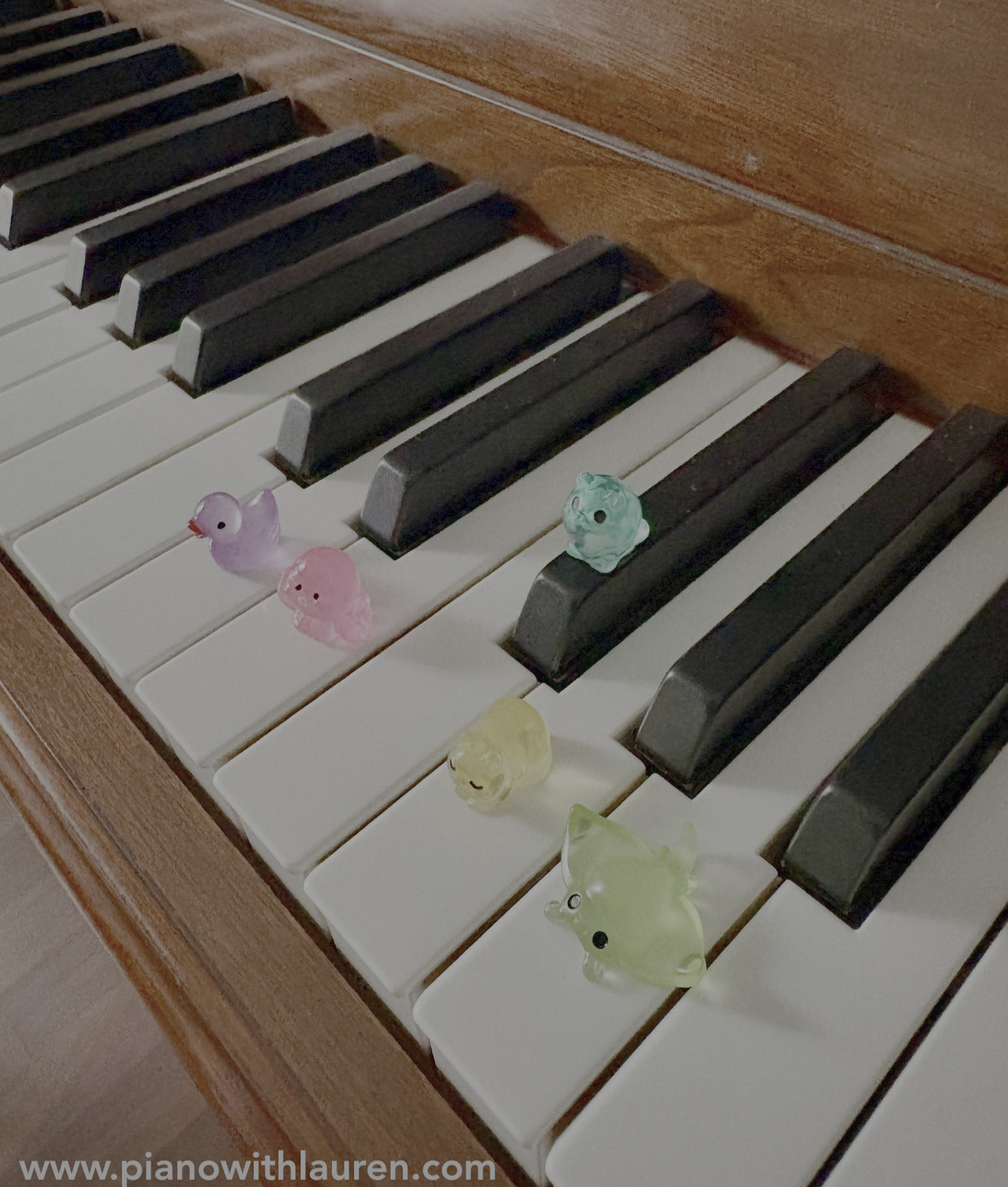
– Mark the notes on the piano. Give students small manipulatives such as mini erasers, counters, or tiny animals and have them place them on each note of a five-finger scale before playing it.
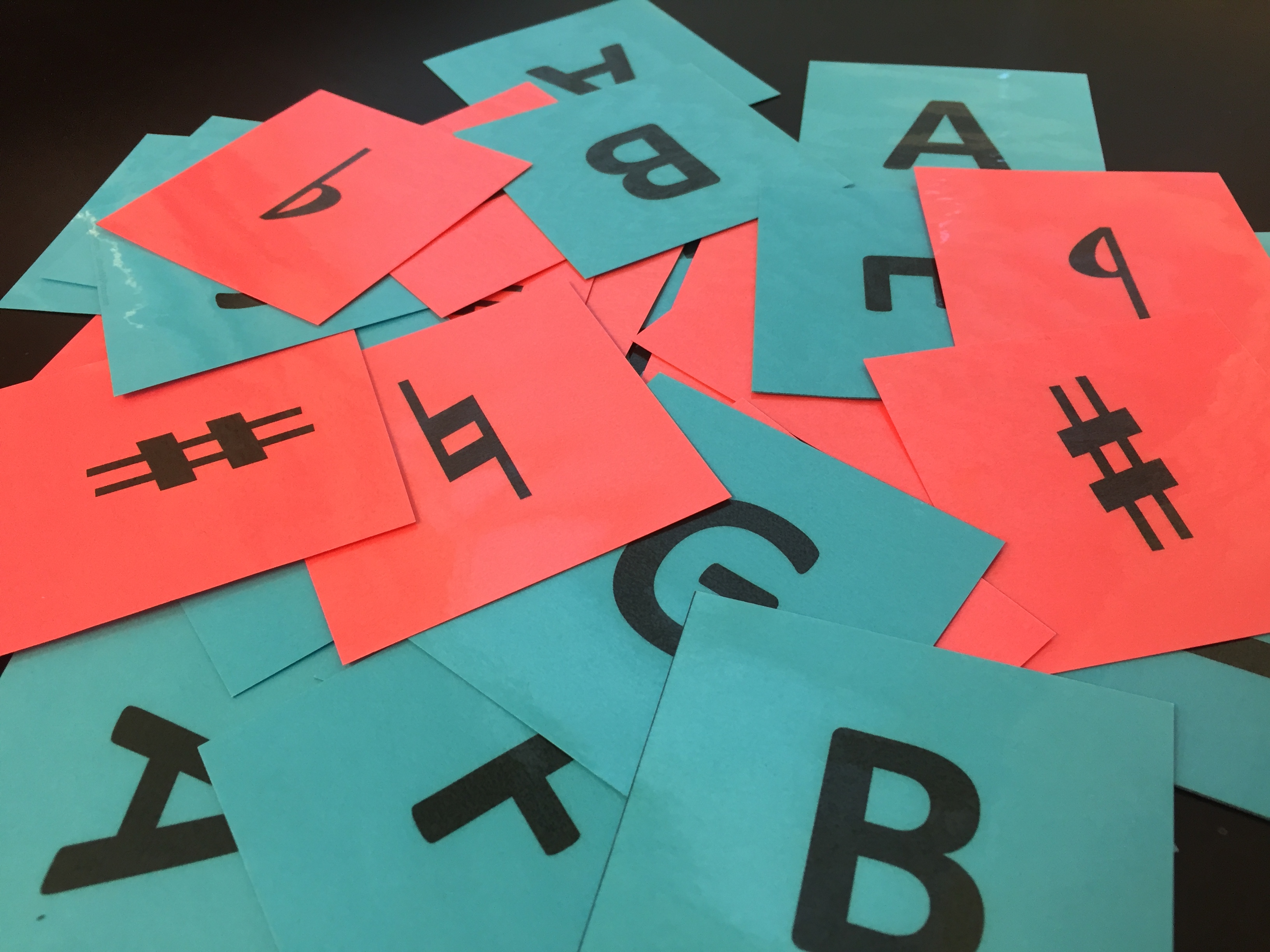
– Build the scale with alphabet and accidental cards. Students can arrange the cards to create a major five-finger scale and then build the matching major chord.
– Complete a written theory activity. Reinforce the same concept away from the piano by having students identify, write, or color scales and chords in a theory workbook.
– Draw scales on a marker board. Have students write the notes of a five-finger scale or draw the matching chord on a staff. This is a quick way to review during lessons without additional preparation.
Changing the activity while reviewing the same concept keeps lessons interesting and helps students build a deeper understanding of scales and chords.
Helpful Resources
Learning scales and chords becomes much easier when students practice them in a variety of ways.
Some of my favorite resources include:
🎵 Free Alphabet & Accidental Cards
These free printable cards help students build major five-finger scales and chords in a hands-on, tactile way. They’re a fun way to explore key patterns and reinforce the relationship between scales and chords away from the piano.
📕 Ready for Theory Prep A
My theory workbook includes activities that reinforce major five-finger scales, chords, note reading, and other essential music theory concepts for beginner piano students. Students master writing and playing the five-finger scales C, G, F, D, A, and E majors in this workbook.
🎼 Faber Scale and Chord Book
As students become more comfortable with five-finger scales, this book provides a gradual introduction to additional scales, chords, cadences, and arpeggios.
Bringing It All Together
Major five-finger scales and chords provide an important foundation for every beginning pianist. As students become familiar with these patterns, they’ll play with greater confidence and begin recognizing the harmonic structure found throughout their music.
The goal isn’t simply memorizing scales—it’s helping students understand how scales, chords, and pieces fit together. With consistent review and engaging activities, students will develop skills that support both music reading and confident piano playing.
👉 Looking for a complete roadmap of beginning music theory?
Be sure to read Piano Theory for Beginners: What Students Ages 6–8 Need to Learn, where you’ll find all the essential theory concepts every beginner should master.

Lauren teaches piano to students of all ages. She enjoys creating resources for her students and teachers. She is the author of Ready for Theory®. For personalized help, check out the consultations page for teachers.